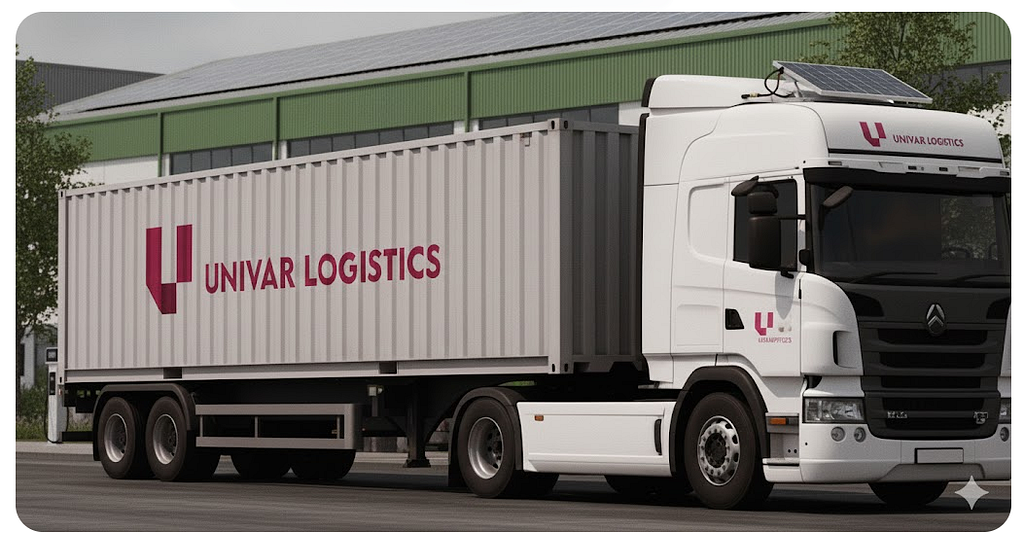
How East Africa’s logistics industry can drive change — one delivery at a time
Let’s be honest: when you hear “sustainability in logistics,” your eyes might glaze over faster than a Nairobi matatu in rush hour traffic. But here’s the thing — this isn’t just another corporate buzzword destined to collect dust in a quarterly report. It’s about survival, savings, and being the kind of company that future generations will thank rather than question.
At Univar Logistics, we’ve learned that going green doesn’t mean starting over. It means starting smart. And in East Africa, where logistics challenges are as diverse as our landscapes, the path to sustainability is paved with small, strategic steps that create surprisingly big impacts.
Why Should East African Logistics Companies Care?
Here’s a wake-up call: the transport and logistics sector is responsible for nearly 24% of global CO₂ emissions, and that number is climbing. But before you feel overwhelmed, consider this: every challenge in East Africa is also an opportunity for innovation.
While developed markets struggle to retrofit decades-old infrastructure, East Africa has a unique advantage. We can leapfrog straight to sustainable solutions. Think of it as skipping the landline and going directly to smartphones — but for logistics.
The Business Case Is Crystal Clear
Forget the feel-good factor for a moment. Sustainability makes business sense:
Cost Savings: Optimizing route planning through advanced technologies such as GPS and AI can significantly reduce fuel consumption and travel time, lowering carbon emissions. Translation? Lower fuel bills, fewer vehicle maintenance costs, and more efficient operations.
Customer Demand: In DHL’s Global Online Shopper Survey, over 70% of respondents said sustainability influences their purchasing decisions. Your clients are asking for this. The market is ready.
Competitive Edge: While your competitors are still figuring out their sustainability strategy, you’re already implementing one. That’s called being ahead of the curve.
Future-Proofing: The African Continental Free Trade Area (AfCFTA) is opening up new markets across the continent. Companies with sustainable practices will have first-mover advantages as environmental regulations tighten.
The Small Steps That Pack a Punch
Ready for the good news? You don’t need a billion-dollar budget or a PhD in environmental science. You just need to start. Here are the small steps that create big impacts:
1. Route Optimization: Work Smarter, Not Harder
Remember when your driver took the “scenic route” because the GPS wasn’t updated? That’s money (and carbon) going up in exhaust fumes.
Modern route optimization isn’t just about finding the shortest path — it’s about finding the smartest path. By utilizing advanced algorithms, GPS technology, and real-time data, logistics companies can create optimal routes that minimize travel distances and avoid traffic congestion. This saves fuel, enhances delivery efficiency, and keeps your customers happy.
Action Step: Start with free or low-cost route planning apps. Even basic optimization can reduce fuel consumption by 10–20%.
2. Load Efficiency: Fill Every Mile
An empty truck burning fuel is like paying full price for a half-empty soda — nobody likes that deal. Maximizing load efficiency ensures that vehicles operate at full capacity, reducing the number of trips and emissions.
In East Africa, where infrastructure challenges can make every journey unpredictable, making each trip count isn’t just environmentally smart — it’s financially essential.
Action Step: Implement a load management system that consolidates shipments and coordinates with other businesses to share transport resources when possible.
3. Right-Size Your Packaging
Here’s a fun fact: oversized boxes don’t just waste cardboard. They waste truck space, which means more trips, which means more emissions. Oversized boxes and unnecessary filler not only waste materials but also increase shipping volume — which means more fuel use and higher emissions.
Action Step: Audit your packaging. Can you reduce box sizes? Switch to recyclable or biodegradable materials? Every centimeter counts.
4. Vehicle Maintenance: The Unsexy Hero
Nobody gets excited about oil changes and tire pressure checks. But here’s the thing: a well-maintained vehicle can improve fuel efficiency by up to 25%. Plus, it lasts longer, reducing the environmental impact of manufacturing new vehicles.
Action Step: Create a rigorous maintenance schedule. Check tire pressure weekly, service engines regularly, and keep vehicles clean (yes, even that improves aerodynamics).
5. Driver Training: Your Secret Weapon
Your drivers are on the front lines of your sustainability efforts. Investing in energy-efficient vehicles and equipment not only reduces greenhouse gas emissions but can also lead to substantial long-term cost savings. But even the most efficient vehicle can become a gas-guzzler in the wrong hands.
Training drivers on eco-friendly driving techniques — smooth acceleration, maintaining steady speeds, reducing idle time — can cut fuel consumption by 10–15%.
Action Step: Host monthly training sessions on fuel-efficient driving. Consider gamifying it with rewards for the most fuel-efficient drivers.
6. Embrace Technology (But Start Simple)
You don’t need to invest in a fleet of electric vehicles tomorrow (though that’s a great long-term goal). Start with technology that’s available and affordable today.
Digital technologies such as IoT, AI, and blockchain are revolutionizing logistics operations. These technologies improve transparency, traceability, and efficiency. But you can start smaller: digital tracking systems, electronic documentation to reduce paper waste, or simple fuel monitoring apps.
Action Step: Pick one digital tool to implement this quarter. Master it, measure its impact, then expand.
7. Green Warehousing: Low-Hanging Fruit
Green warehousing involves the use of energy-efficient technologies and sustainable building practices. Solar panels, LED lighting, and advanced insulation reduce energy consumption.
In East Africa, where sunshine is abundant, solar panels aren’t just eco-friendly — they’re economical. LED lighting can reduce energy consumption by up to 75% compared to traditional bulbs.
Action Step: Start with LED bulbs. They’re cheap, easy to install, and pay for themselves within months. Then explore solar options for your facilities.
8. Measure What Matters
You can’t improve what you don’t measure. Companies can install IoT sensors on vehicles and within warehouses to collect real-time data on fuel consumption, mileage, and energy use.
Action Step: Set up a simple tracking system. Monitor fuel consumption per kilometer, delivery efficiency, and energy use. Review monthly and set improvement targets.
The East African Advantage
While sustainability might seem like a luxury when you’re dealing with infrastructure gaps, traffic congestion, and unpredictable supply chains, East Africa actually has unique advantages:
Adaptability: We’re used to solving problems creatively. That same ingenuity can drive sustainable innovation.
Community: East African businesses often work more collaboratively than their Western counterparts. Collaborative transport networks involve partnerships between companies to share transport resources and optimize shipments. This sharing economy approach is in our DNA.
Young, Tech-Savvy Population: East Africa’s young workforce is digital-native and sustainability-conscious. They’re not just willing to adopt green practices — they’re demanding them.
Growth Trajectory: We’re building systems now that other regions have to retrofit. That’s an opportunity to build sustainably from the ground up.
Real-World Impact: What Success Looks Like
Let’s talk numbers because vague commitments don’t move the needle:
10–20% fuel savings from route optimization alone
15–25% reduction in vehicle maintenance costs through proper upkeep
30% reduction in packaging waste through right-sizing
Up to 75% energy savings by switching to LED lighting in warehouses
For a mid-sized logistics company running 20 vehicles, these changes could mean saving hundreds of thousands of shillings annually while significantly reducing environmental impact.
The Challenges (Yes, They Exist)
Let’s be real: sustainability in East African logistics isn’t all smooth sailing. We face unique obstacles:
Infrastructure gaps: Poor road conditions mean higher fuel consumption
Initial costs: Sustainable technologies can require upfront investment
Limited supplier options: Green alternatives aren’t always readily available
Inconsistent regulations: Environmental policies vary across East African countries
But here’s the thing about challenges: they’re temporary. The companies that figure out solutions now will dominate the market later.
Your Action Plan: Starting This Week
Feeling inspired but overwhelmed? Here’s your roadmap:
This Week:
Audit current fuel consumption and establish baseline metrics
Schedule a meeting with your team about sustainability goals
Install a route optimization app on your drivers’ phones
This Month:
Replace traditional bulbs with LED in your facilities
Review and optimize packaging sizes
Implement a driver training program on fuel-efficient driving
This Quarter:
Explore partnerships with other logistics companies for load sharing
Investigate solar panel options for your warehouses
Set up a digital tracking system for emissions and efficiency
This Year:
Consider adding hybrid or electric vehicles to your fleet
Achieve measurable reductions (aim for 15–20% in fuel consumption)
Market your sustainability achievements to clients
The Bottom Line
Sustainability in logistics isn’t about being perfect — it’s about being better than yesterday. It’s about recognizing that the small steps we take today create the big impacts we’ll celebrate tomorrow.
At Univar Logistics, we believe East Africa doesn’t need to follow the West’s path to sustainability — we can create our own, one that’s suited to our unique challenges and tremendous opportunities.
The question isn’t whether sustainability matters in logistics. The question is: are you going to lead the change or watch from the sidelines?
The good news? It’s not too late to start. The even better news? You don’t have to do it alone.
Ready to make your logistics operation more sustainable? Connect with Univar Logistics to learn how we’re helping East African businesses ship smarter, greener, and more profitably.